The Ultimate Guide to Decluttering Your Closet
Decluttering a closet is often seen as a daunting task, but with a structured approach, it can become a manageable and even rewarding process. Many people in Germany face the challenge of limited storage space, especially in urban apartments where wardrobes must serve multiple purposes. This guide outlines a systematic method to sort, store, and maintain a tidy wardrobe, aiming to simplify daily routines and reduce decision fatigue in the morning.
The process is not about achieving perfection but about creating a functional system that works for your lifestyle. By focusing on categories, seasonal needs, and practical storage solutions, you can transform your closet into an organized space that supports your daily activities. The following sections will walk you through each step, from preparation to maintenance, with an emphasis on sustainable habits and thoughtful decision-making.
It’s important to note that results may vary based on individual circumstances, such as closet size, personal preferences, and daily commitments. The goal is to provide a framework that you can adapt to your specific situation, ensuring that the effort invested yields a lasting sense of order and calm.
Preparing for the Decluttering Process
Before you begin sorting, it’s essential to set the stage for an efficient and focused session. Clear your schedule for a few hours and gather supplies such as boxes, bins, and labels. Choose a time when you are not rushed and can make decisions without pressure. In Germany, where space is often at a premium, considering the layout of your closet and the flow of your daily routine can help you design a system that maximizes functionality.
Start by emptying the entire closet onto a clean surface, such as a bed or floor. This step allows you to see everything you own and prevents you from overlooking items tucked away in corners. As you remove each item, take a moment to assess its condition and relevance. This initial sort can be done in categories: clothing, shoes, accessories, and miscellaneous items. By grouping similar items together, you can better evaluate what you have and what may be redundant.
It’s also helpful to consider the season. In Germany, where seasons are distinct, you may find that certain items are only used for a few months. Separating seasonal items can reduce clutter and make your daily wardrobe more accessible. Throughout this process, maintain a neutral mindset—this is not about judgment but about making practical choices that align with your current needs and lifestyle.
Sorting and Evaluating Your Items
The sorting phase is where you decide what to keep, donate, or discard. A common method is to ask yourself a series of questions for each item: Does it fit? Is it in good condition? Have I worn it in the past year? Does it serve a purpose in my current life? These questions help you make objective decisions and avoid holding onto items out of guilt or nostalgia. For items that are worn out or no longer functional, consider recycling or disposing of them responsibly according to local regulations in Germany.
Create three distinct piles: keep, donate, and discard. The keep pile should consist of items that you wear regularly, that fit well, and that make you feel comfortable. The donate pile can include items in good condition that you no longer need but could benefit someone else. The discard pile is for items that are damaged beyond repair. As you sort, be honest with yourself—if you haven’t worn an item in over a year, it may be time to let it go, unless it holds special sentimental value or is a rare occasion piece.
To maintain momentum, work through one category at a time. For example, start with tops, then move to bottoms, dresses, outerwear, shoes, and accessories. This approach prevents overwhelm and ensures that each category receives focused attention. Additionally, consider the concept of a capsule wardrobe, where you keep only a limited number of versatile pieces that can be mixed and matched. While not for everyone, this approach can simplify decision-making and reduce clutter significantly.
Organizing and Storing Your Wardrobe
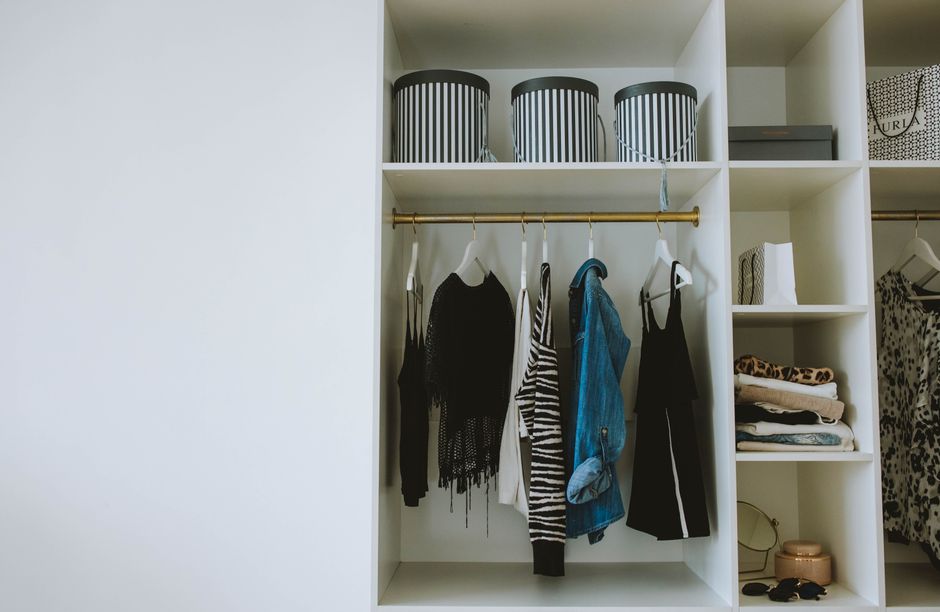
Once you have narrowed down your items, the next step is to organize them in a way that makes your closet functional and visually appealing. Begin by assessing your closet’s layout: shelves, hanging rods, and drawers. In many German homes, closets are often smaller, so utilizing vertical space and multifunctional storage solutions is key. Consider using stackable bins, shelf dividers, and hanging organizers to maximize every inch.
Group similar items together—for instance, all shirts in one section, trousers in another. Within each category, you can further organize by color or frequency of use. Hanging items such as dresses, blouses, and jackets can be arranged by length or type to create a uniform look. For folded items, use the KonMari method of folding to stand them upright, allowing you to see everything at a glance. This method not only saves space but also makes it easier to find what you need.
Shoes should be stored on racks or in clear bins to protect them from dust and keep them accessible. Accessories like belts, scarves, and jewelry can be stored in drawer organizers or hanging pockets. If space allows, consider using the area under the bed or on top of the closet for out-of-season items in labeled containers. Throughout this process, keep in mind that the goal is to create a system that you can maintain easily—one that reflects your daily routines and preferences.
It’s essential to test your organization system for a week. If you find that certain items are difficult to access or that the system feels cumbersome, adjust as needed. The idea is to reduce friction in your morning routine, not to create an elaborate setup that requires constant upkeep. HausTipp suggests that a well-organized closet can contribute to a smoother start to the day, though individual experiences may vary.
Maintaining a Tidy Closet Long-Term
Maintenance is the key to sustaining your decluttered closet. Without a regular routine, clutter can accumulate again. Set aside a few minutes each week to tidy up—returning items to their designated spots, checking for any new items that may need sorting, and addressing small issues before they become big ones. This habit can prevent the need for another major decluttering session.
Adopt a one-in, one-out policy: for every new item you bring into your closet, remove one item you no longer need. This practice helps keep the volume of your wardrobe stable and encourages mindful purchasing. Additionally, at the change of each season, review your wardrobe and remove items that you didn’t wear during the past season. This seasonal check-up ensures that your closet remains relevant and functional.
Involve the whole household if applicable. When everyone understands the system and participates in maintaining it, the effort is shared, and the results are more likely to last. In German culture, where order and efficiency are often valued, a tidy closet can align with broader lifestyle goals. However, it’s important to remember that perfection is not the aim—consistency and practicality are.
Finally, be patient with yourself. Building new habits takes time, and there may be setbacks. The process of decluttering and maintaining a closet is ongoing and can be adjusted as your life changes. By following a structured approach and focusing on what works for you, you can create a wardrobe that supports your daily life and reduces stress in the morning.