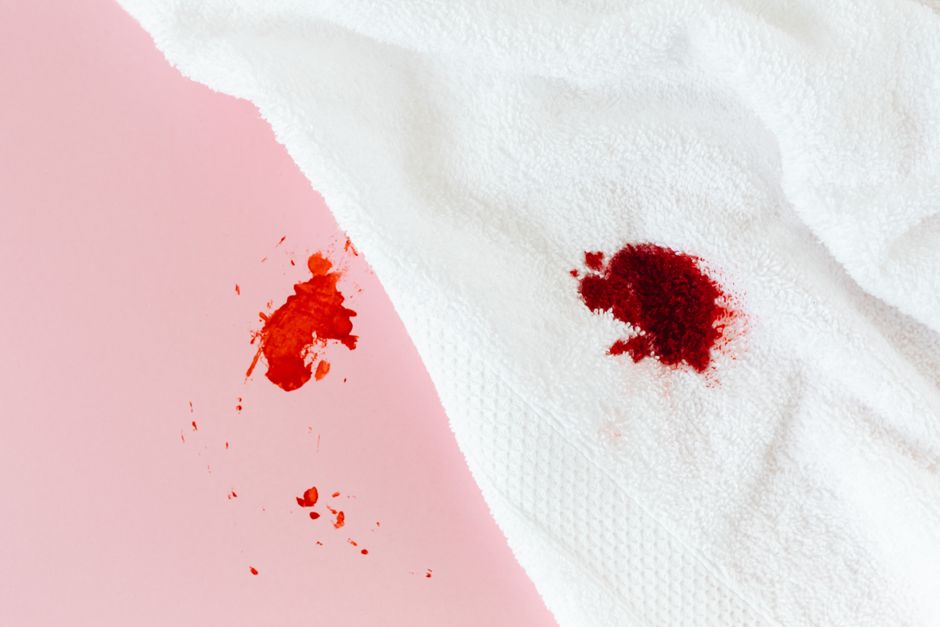
Stains from wine, grass, or oil can seem daunting, but natural substances like vinegar, baking soda, and lemon offer effective alternatives to harsh chemicals. These common household items have properties that can break down or lift various types of stains when used appropriately. Understanding the science behind their actions and the proper methods for application helps achieve better results while preserving fabric integrity. This article explores techniques for treating specific stains naturally, with a focus on methods that are gentle on textiles.
In Germany, where environmental awareness and fabric care are highly valued, many households seek sustainable solutions for everyday problems. The approach outlined here emphasizes a process-oriented mindset: assess the stain, choose a suitable natural agent, apply it correctly, and allow time for it to work. No single method guarantees success for every stain, as outcomes depend on factors such as fabric type, stain age, and water quality. However, by following systematic steps, you can improve your chances of removing stains without resorting to aggressive chemicals.
Before proceeding, it is important to test any natural remedy on a small, inconspicuous area of the fabric to check for colorfastness and potential damage. Also, remember that prompt action generally yields better results. The techniques described are not professional advice but rather informational guidelines that can be adapted to individual circumstances.
Understanding Stain Types and Fabric Considerations
Stains are broadly classified as protein-based, tannin-based, oil-based, or dye-based, each requiring different treatment approaches. Wine stains, for example, contain tannins and pigments that can set into fibers if not addressed quickly. Grass stains consist of chlorophyll and other plant matter that bind to fabrics, especially cellulose-based ones like cotton. Oil stains, whether from cooking or machinery, are hydrophobic and repel water, making them challenging to remove with water alone. Identifying the stain type is the first step toward selecting an appropriate natural treatment.
Fabric composition plays a critical role in stain removal. Natural fibers such as cotton and linen are generally more tolerant of acidic substances like vinegar and lemon juice, while protein fibers like silk and wool may be damaged by them. Synthetic fibers like polyester and nylon often respond well to baking soda and mild detergents. Always check the care label and consider the fabric’s dye stability. Delicate fabrics may require gentler methods, such as cool water and minimal agitation, to avoid distortion or color loss.
Another factor is the age of the stain. Fresh stains are easier to remove because the staining substance has not yet bonded strongly with the fibers. Older stains may require repeated treatments or a pre-soak. Additionally, water hardness can influence effectiveness; hard water minerals may interfere with some natural agents. In Germany, water hardness varies regionally, so adjusting the amount of vinegar or lemon juice might be necessary for optimal results.
Natural Agents: Vinegar, Baking Soda, and Lemon
Vinegar, typically a dilute solution of acetic acid, is effective against many stains due to its acidic nature. It can dissolve mineral deposits, break down proteins, and neutralize odors. For wine stains, vinegar helps lift the pigment, while for grass stains, it can loosen the chlorophyll bonds. However, vinegar should not be used on silk, wool, or fabrics with certain dyes, as it may cause damage or color bleeding. Distilled white vinegar is preferred over other types to avoid introducing new stains.
Baking soda, or sodium bicarbonate, is a mild alkali that can neutralize acids and absorb oils. It is particularly useful for oil stains because it acts as a desiccant, drawing out the grease. When mixed with water to form a paste, it provides gentle abrasion that helps lift stains without harming most fabrics. Baking soda is safe for most materials, but it should be rinsed thoroughly to prevent residue buildup that could attract dirt over time.
Lemon juice contains citric acid and has natural bleaching properties, making it useful for lightening stains and removing discoloration. It is especially effective on grass stains and can help brighten white fabrics. However, lemon juice can be harsh on some fabrics and may cause yellowing if not rinsed completely. It is also photosensitive, meaning it can cause fading if exposed to sunlight while still on the fabric. Therefore, it is best used in a controlled manner and always tested first.
Techniques for Specific Stains
When treating wine stains, speed is essential. Blot the stain gently with a clean cloth to remove excess liquid, being careful not to spread it. Then, apply a mixture of equal parts vinegar and water directly to the stain and let it sit for a few minutes. For red wine, you can also sprinkle baking soda over the area to absorb the liquid and neutralize odors. After allowing it to fizz, rinse with cool water. If the stain persists, try dabbing with lemon juice and then rinsing. Avoid using hot water, as it can set the stain.
Grass stains often require a pre-treatment to break down the chlorophyll. A paste made from baking soda and water can be applied and left for 15–30 minutes before washing. Alternatively, vinegar can be applied directly to the stain and allowed to sit for 10 minutes. For stubborn grass stains, combine lemon juice and baking soda to create a fizzing reaction that helps lift the stain. After treatment, wash the garment as usual with a mild detergent. Always check the stain before drying, as heat can set any remaining residue.
Oil stains are best treated with baking soda or a mild dish soap. Start by blotting the excess oil, then cover the stain with baking soda and let it sit for at least 30 minutes to absorb the grease. Brush off the powder and apply a small amount of vinegar or lemon juice to break down any remaining oil. For tough stains, a paste of baking soda and water can be worked into the fabric with a soft brush. After treatment, wash in the warmest water safe for the fabric. Repeat if necessary before drying.
Step-by-Step Application and Safety Tips
Regardless of the stain type, follow a systematic approach to maximize effectiveness and minimize risks. Begin by removing any solid residue and blotting liquids. Test the chosen natural agent on an inconspicuous area to ensure it does not damage the fabric or cause color loss. Apply the agent gently, using a soft cloth or brush to work it into the stain without spreading it. Allow the treatment to sit for the recommended time, then rinse thoroughly with cool water. Finally, wash the item according to its care label, using a mild detergent.
Safety precautions include wearing gloves to protect your skin, especially when handling lemon juice or vinegar in concentrated forms. Ensure good ventilation when using these substances, as their fumes can be irritating. Never mix vinegar and lemon juice with chlorine bleach, as this can produce toxic gases. Store natural agents in labeled containers away from children and pets. Also, be mindful of the environment: while these substances are biodegradable, using them in excessive amounts can still impact water systems. Moderation and proper disposal are key.
If a stain does not come out after a few attempts, consider seeking professional cleaning services rather than risking fabric damage. Some stains, such as those from ink or rust, may require specialized treatments. Additionally, for valuable or antique textiles, consult a conservator. Natural methods are not a universal solution, but they offer a gentle, accessible option for many common stains.
Patience and consistency often yield better results than aggressive scrubbing, which can damage fibers and set stains further.
Integrating Natural Stain Removal into Your Routine
Incorporating natural stain removal techniques into your laundry routine can reduce reliance on synthetic chemicals and promote a more sustainable household. Keep a supply of vinegar, baking soda, and lemons on hand for quick response to spills. Create a stain treatment station with clean cloths, a soft brush, and a spray bottle for easy application. Educate household members about prompt stain reporting and initial blotting to improve outcomes. Over time, these practices can become second nature and contribute to longer-lasting garments.
For those who prefer a structured approach, HausTipp offers resources and tips on household management that align with these methods. However, the effectiveness of any stain removal process depends on multiple factors, including fabric type, stain age, and application technique. There is no one-size-fits-all solution, and results may vary. Always prioritize fabric care over stain removal when in doubt, and consider professional advice for delicate items.
In conclusion, natural stain removal with vinegar, baking soda, and lemon is a viable option for many common stains. By understanding the nature of the stain and the fabric, and by following careful procedures, you can achieve satisfactory results while minimizing environmental impact. Remember that these methods are not guaranteed and should be adapted to your specific situation. With practice and patience, you can develop a repertoire of techniques that work for your household.