Smart Storage Ideas for Small Bathrooms
In many German apartments, bathrooms often come with limited square footage, making efficient storage a common consideration. The challenge of keeping toiletries accessible and organized in a compact space can be addressed through a variety of methods that focus on utilizing vertical areas and overlooked surfaces. This article explores several approaches, including over-the-door racks, floating shelves, and magnetic strips, which are designed to make the most of every inch without compromising on functionality or aesthetics.
When planning storage for a small bathroom, it is helpful to assess the available space and identify areas that are currently underused. Walls, the backs of doors, and even the sides of cabinets can offer potential for additional storage. The ideas presented here are intended to provide inspiration and practical guidance, but the suitability of each solution depends on factors such as the layout of the room, the materials of the walls and doors, and individual preferences. By considering these variables, one can create a storage system that is both efficient and tailored to specific needs.
It is important to note that any modification to a rental property may require permission from the landlord, and in Germany, typical rental agreements often have specific rules about drilling or permanent changes. Therefore, the following suggestions include options that range from temporary to permanent, allowing for flexibility. The focus is on methods that are reversible or minimally invasive, ensuring that the bathroom remains functional and damage-free. With careful planning, even the smallest bathroom can be transformed into an organized and pleasant space.
Over-the-Door Racks: Utilizing Unused Space
Over-the-door racks are a popular solution for small bathrooms because they capitalize on the often-unused area behind the door. These racks typically hang over the top of the door, requiring no drilling or permanent installation, which makes them ideal for renters. They come in various designs, from simple hooks to multi-tiered organizers with pockets and shelves. The key advantage is that they provide immediate storage without encroaching on floor space, and they can be easily removed or relocated if needed.
When selecting an over-the-door rack, consider the width of the door and the clearance between the door and the frame. Standard German doors are usually around 60 to 90 centimeters wide, and most racks are adjustable to fit. It is also important to check the weight capacity, as overloading can cause the door to sag or the rack to become unstable. For heavier items, such as towels or bottles, a rack with sturdy metal construction and padded hooks may be more suitable. Additionally, ensure that the rack does not interfere with the door’s ability to close properly.
The types of items that can be stored on an over-the-door rack are numerous. In the bathroom, one might place shampoo, conditioner, body wash, and other toiletries in the pockets or on the shelves. Smaller items like razors, toothbrushes, and hair accessories can be kept in mesh pockets for ventilation and easy visibility. Some racks also include a mirror or a built-in shelf for decorative items. By organizing items by frequency of use, one can create a system that streamlines the daily routine. For example, frequently used items can be placed at eye level, while backup supplies can go on higher shelves.
Maintenance of an over-the-door rack is generally straightforward. Regular cleaning with a damp cloth helps prevent dust and product buildup, especially in humid bathroom environments. It is also advisable to periodically check the hooks and screws for looseness and tighten them if necessary. If the rack is made of metal, applying a rust-inhibiting spray in areas prone to moisture can extend its lifespan. These simple steps ensure that the rack remains a reliable storage solution over time.
Floating Shelves: Combining Style and Function
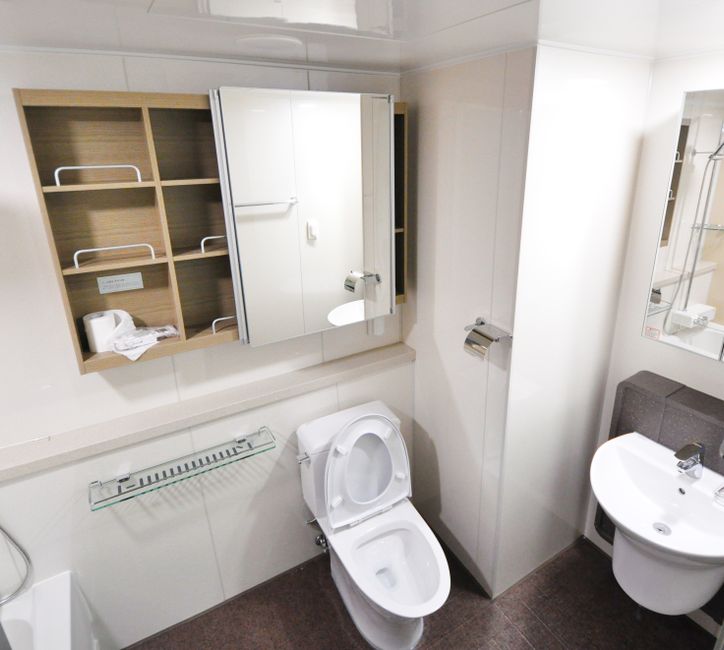
Floating shelves are another effective method for adding storage to a small bathroom. These shelves are mounted directly to the wall without visible brackets, creating a sleek, modern look. They can be installed at various heights and lengths, depending on the available wall space and the desired storage capacity. In German bathrooms, where walls are often tiled, it is important to use appropriate anchors and screws that can penetrate the tile and secure into the wall behind. For rental properties, adhesive shelves or tension-mounted shelves might be alternatives, though their load-bearing capacity is typically lower.
The placement of floating shelves should be carefully considered to maximize utility. Above the toilet is a common location, as it utilizes vertical space that is otherwise empty. Shelves can also be installed beside or above the sink, or in a corner to save space. When arranging items on the shelves, grouping similar items together can create a visually pleasing and organized appearance. For instance, one shelf might hold neatly folded towels, another could display decorative items like small plants or candles, and a third could store toiletries in uniform containers. Using baskets or bins on the shelves can help contain smaller items and reduce clutter.
It is essential to consider the weight that floating shelves can support. Most shelves have a weight limit, and exceeding it can lead to failure. Therefore, it is advisable to distribute weight evenly and avoid placing heavy items on shelves that are not designed for them. For heavier loads, consider shelves with thicker construction or those that are supported by brackets, even if they are not truly “floating.” Additionally, the humidity in bathrooms can affect the integrity of the shelves, so choosing materials that are moisture-resistant, such as treated wood, plastic, or metal, is beneficial. Regular inspection for signs of warping or loosening is recommended.
Installation of floating shelves requires some DIY skills, but many products come with detailed instructions and mounting hardware. It is important to locate wall studs if possible, as they provide the strongest support. If studs are not available, use heavy-duty anchors suitable for the wall type. In Germany, walls are often made of brick, concrete, or drywall, so the appropriate anchors vary. For drywall, toggle bolts or molly bolts are common; for brick or concrete, plastic or metal anchors are used. If unsure, consulting a professional may be wise to ensure safety and compliance with building regulations.
Magnetic Strips: Creative Solutions for Small Items
Magnetic strips offer a novel way to store metal items in the bathroom, particularly those that are small and easily lost. These strips can be mounted on walls, inside cabinet doors, or on the side of a vanity. They are especially useful for holding tweezers, nail clippers, bobby pins, and even small scissors. The concept is simple: a magnetic strip adheres to a surface, and metal objects stick to it, keeping them accessible and off the counter. This can free up valuable counter space and reduce clutter.
When using magnetic strips, it is important to choose a location that is convenient but out of the way of water splashes. While the strips themselves are often rust-resistant, the items stored may not be. Therefore, placing them away from the shower or sink area can prolong the life of the items. Additionally, ensure that the adhesive or mounting method is suitable for the surface. Some magnetic strips come with adhesive backing, while others require screws. In a humid environment, adhesive may lose its grip over time, so screws might be more secure for long-term use.
The strength of the magnet is a critical factor. Neodymium magnets are very strong and can hold multiple items, but they may be difficult to separate. Ceramic magnets are weaker but sufficient for lightweight items. It is advisable to test the strip with the intended items before final installation to ensure it can hold them securely. Also, consider the aesthetic aspect: magnetic strips come in various colors and finishes, so they can blend with the bathroom decor or serve as a subtle accent. For a cohesive look, choose a finish that matches other fixtures, such as chrome or brushed nickel.
Beyond metal items, magnetic strips can also be used to hold small containers with magnetic bases. For example, small jars for cotton swabs or hair ties can be fitted with a magnet on the lid and attached to the strip. This creates a modular storage system that can be rearranged as needed. However, it is important to ensure that the containers are securely attached and will not fall if bumped. Regular checks for stability are recommended, especially in households with children or pets.
Combining Methods for Optimal Organization
While each of these storage solutions can be effective on its own, combining them can lead to a highly organized bathroom. For instance, an over-the-door rack can hold towels and larger bottles, while floating shelves display decorative items and daily essentials, and magnetic strips keep small metal tools within reach. This layered approach ensures that every item has a designated place and that the space is used efficiently. It also allows for flexibility, as items can be moved between storage types based on changing needs.
When combining methods, consider the visual balance of the room. Too many storage elements can make a small bathroom feel cluttered. Therefore, it is helpful to choose a consistent style or color scheme for the racks, shelves, and strips. For example, all-white or metallic finishes can create a cohesive look. Additionally, leaving some empty space on shelves or walls can prevent the room from feeling overcrowded. The goal is to enhance functionality without sacrificing the sense of openness.
Another aspect to consider is the workflow in the bathroom. Place items where they are used most naturally. For example, toothbrushes and toothpaste near the sink, towels near the shower, and makeup near a mirror. This reduces unnecessary movement and makes the daily routine more efficient. Over time, one can adjust the placement based on actual usage patterns. It may also be beneficial to periodically declutter and remove items that are no longer used, keeping only what is essential.
In Germany, where sustainability and orderliness are often valued, these storage solutions can also align with eco-friendly practices. For instance, using reusable containers instead of disposable ones, and choosing products made from sustainable materials, can be a consideration. Moreover, by maximizing storage in a small bathroom, one may reduce the need for additional furniture, which can be both space-saving and environmentally friendly. HausTipp suggests that a well-organized bathroom contributes to a more pleasant and efficient home environment.
Practical Considerations and Installation Tips
Before implementing any storage solution, it is important to measure the space accurately. Use a tape measure to determine the dimensions of walls, doors, and available areas. Check for obstacles such as light switches, outlets, and plumbing fixtures that might interfere with installation. Also, consider the swing of the door and the height of the ceiling. These measurements will help in selecting the right size and type of storage units.
For over-the-door racks, ensure that the door can still close and lock if necessary. In some German apartments, doors may have a raised threshold or a closer mechanism that could affect the fit. If the rack has hooks that go over the top of the door, check that there is enough clearance between the door and the frame. For floating shelves, locate the studs using a stud finder if available. If not, use a strong magnet to find screws in the drywall, which often indicate studs. In older buildings, walls may be uneven, so using a level is crucial for a professional-looking result.
When installing magnetic strips, clean the surface thoroughly to ensure good adhesion. If using adhesive, follow the manufacturer’s instructions and allow sufficient curing time before attaching items. For screw-mounted strips, pre-drill holes to avoid cracking tiles or damaging the wall. Always use appropriate safety gear, such as goggles and gloves, when drilling. If uncertain about any step, consider hiring a handyman or asking a knowledgeable friend for assistance. Safety should always be the priority.
Finally, be mindful of rental agreements. In Germany, tenants are generally allowed to make minor alterations, but significant changes may require landlord approval. Over-the-door racks and adhesive solutions are usually reversible and low-risk. Floating shelves, however, involve drilling and may be considered permanent, so it is advisable to seek permission or be prepared to patch and paint upon moving out. By planning ahead, one can enjoy the benefits of improved storage without future complications.