Seasonal Home Maintenance Tasks You Shouldn’t Skip
Seasonal home maintenance is a systematic approach to preserving a property’s condition throughout the year. In Germany, where seasonal shifts between warm summers and cold winters are pronounced, homeowners often follow established routines to address specific tasks at specific times. These tasks are not merely about aesthetics; they involve functional checks that help maintain the integrity of the building envelope, the efficiency of mechanical systems, and the safety of the living environment. By understanding the purpose behind each task, homeowners can make informed decisions about when and how to proceed, while recognizing that outcomes depend on many variables such as building age, local climate, and material quality.
This article outlines key maintenance activities that are commonly recommended for the transition into summer and winter. It emphasizes the rationale behind gutter cleaning, weather stripping, and HVAC checks, and explains how these tasks contribute to the overall resilience of a home. The information presented is intended to support a proactive mindset, but it does not guarantee specific results or replace professional assessments. Every home is unique, and the applicability of each task may vary based on individual circumstances.
HausTipp provides general guidance for homeowners in Germany, but it is always advisable to consult qualified specialists for specific concerns. The following sections explore the why and how of seasonal maintenance, offering a framework that can be adapted to different housing types and personal capacities.
Understanding the Seasonal Maintenance Cycle
Seasonal maintenance is often divided into two main periods: preparation for summer and preparation for winter. Each period brings distinct challenges. Summer, with its potential for heavy rainstorms and high temperatures, can stress roofing, gutters, and cooling systems. Winter, characterized by freezing temperatures, snow, and ice, places demands on heating systems, insulation, and exterior surfaces. A maintenance cycle that aligns with these shifts helps homeowners anticipate issues rather than react to them after damage occurs.
The concept of a maintenance cycle is rooted in the idea that small, regular interventions can mitigate larger problems. For example, clearing debris from gutters in autumn can help prevent ice dams in winter, while checking air conditioning filters in spring can support efficient operation during peak summer heat. These actions are not guaranteed to eliminate all risks, but they are widely regarded as sensible precautions. The timing of each task may depend on local weather patterns, as Germany’s climate varies from the coastal north to the alpine south.
In addition to seasonal timing, the frequency of maintenance tasks can vary based on environmental factors. A home surrounded by deciduous trees may require more frequent gutter cleaning than one in an open field. Similarly, a building with older windows may need more attention to weather stripping. Recognizing these variables allows homeowners to tailor their approach, rather than adhering to a rigid schedule. Flexibility and observation are key components of effective maintenance.
Gutter Cleaning and Drainage Management
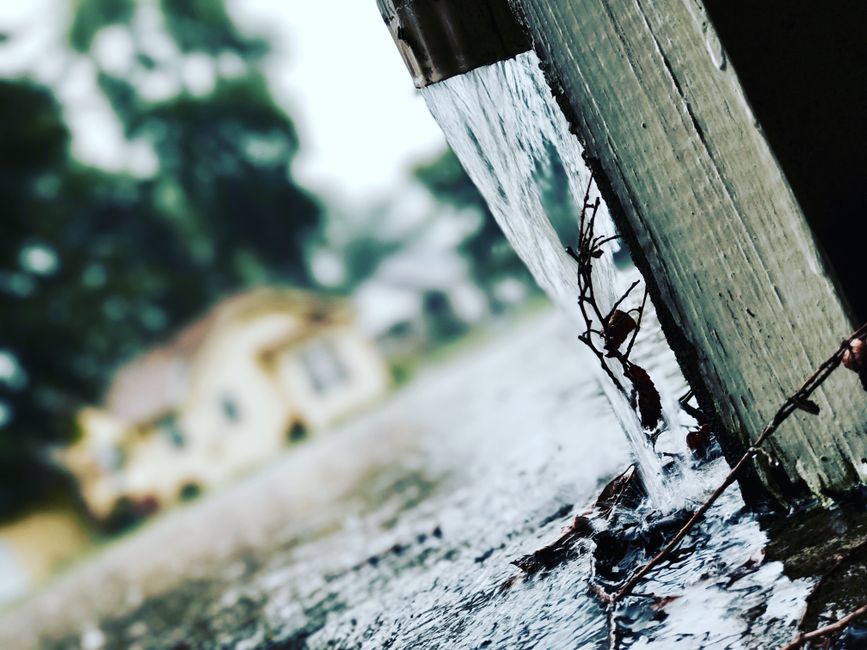
Gutters play a critical role in directing rainwater away from the roof, walls, and foundation. When leaves, twigs, and other debris accumulate, water can overflow, leading to potential moisture intrusion, erosion, and even structural damage. In Germany, where autumn leaves fall abundantly, gutter cleaning is often recommended before winter sets in. However, it is also prudent to check gutters in spring after the last frost, as winter storms may have deposited new debris or caused sagging.
The process of gutter cleaning involves removing debris by hand or with specialized tools, flushing the system with water, and inspecting for leaks or misaligned sections. Downspouts should also be checked to ensure they direct water away from the foundation. While this task can be performed by homeowners, it often requires working at heights, which carries inherent risks. Therefore, many property owners opt to hire professionals who have the necessary equipment and safety training. The decision to DIY or hire out depends on comfort level, accessibility, and local regulations.
Beyond cleaning, drainage management includes evaluating the overall water flow around the property. Grading should slope away from the building, and splash blocks or extensions may be used to disperse water further. In some cases, French drains or rain gardens are installed to manage heavy runoff. These measures are not universally necessary, but they can be part of a comprehensive strategy to protect the home’s foundation. As with all maintenance, the effectiveness of these solutions depends on proper installation and regular upkeep.
- Remove leaves and debris from gutters and downspouts.
- Flush the system with water to check for blockages.
- Inspect for loose or damaged fasteners and reseal as needed.
- Ensure downspouts discharge water at least 1.5 meters from the foundation.
- Consider installing gutter guards to reduce future debris accumulation.
Weather Stripping and Air Sealing
Weather stripping refers to the material used to seal gaps around doors and windows, preventing air leaks and moisture penetration. In Germany, where energy efficiency is a priority, proper weather stripping can contribute to a more comfortable indoor environment and potentially reduce heating costs. Over time, weather stripping can deteriorate due to exposure to sun, rain, and temperature fluctuations, leading to drafts and increased energy consumption. Checking and replacing weather stripping is therefore a common seasonal task, often done in autumn before the heating season begins.
The types of weather stripping vary, including foam, felt, vinyl, and metal. Each has different durability and application methods. For example, foam tape is easy to install but may not last as long as metal varieties. The choice depends on the specific gap, the door or window type, and the local climate. Installation typically involves cleaning the surface, measuring the gap, and applying the appropriate material. Improper installation can reduce effectiveness, so following manufacturer instructions is important.
Air sealing goes beyond weather stripping to include caulking and sealing other penetrations, such as around pipes, vents, and electrical outlets. These small gaps can collectively allow significant air exchange. While air sealing can improve comfort and energy performance, it is not a substitute for proper ventilation. Homes need controlled airflow to maintain indoor air quality and manage moisture. Therefore, any air sealing efforts should be balanced with adequate ventilation strategies, such as mechanical ventilation systems or operable windows.
“Weather stripping and air sealing are often overlooked, yet they are fundamental to a home’s thermal envelope. A thorough inspection can reveal gaps that are easy to fix but have a disproportionate impact on comfort.”
Homeowners may choose to perform these tasks themselves, as they require basic tools and materials. However, for older buildings with complex joinery or historic windows, consulting a specialist may be advisable to avoid damage. In Germany, there are also regulations regarding energy efficiency upgrades that may apply, particularly if the building is subject to certain codes. It is always wise to check local requirements before undertaking significant modifications.
HVAC System Checks and Maintenance
Heating, ventilation, and air conditioning (HVAC) systems require regular attention to function efficiently and safely. In Germany, heating systems are particularly important during winter, while air conditioning is less common but still present in some homes. Seasonal checks typically involve cleaning or replacing filters, inspecting components, and testing controls. For heating systems, an annual service by a qualified technician is often recommended to ensure safe operation and identify potential issues before they escalate.
For homeowners with air conditioning, spring is an ideal time to check the system before summer heat arrives. This includes cleaning the outdoor unit, checking refrigerant levels, and ensuring the thermostat is functioning correctly. Filters should be cleaned or replaced according to manufacturer guidelines, as clogged filters can reduce airflow and efficiency. While these tasks can be DIY, handling refrigerant or electrical components should be left to professionals due to safety and legal considerations.
Ventilation is another crucial aspect, especially in modern, airtight homes. Without proper ventilation, indoor air quality can suffer, and moisture can accumulate, leading to mold growth. Mechanical ventilation systems with heat recovery are increasingly common in Germany, and these require regular filter changes and maintenance. Homeowners should familiarize themselves with their system’s requirements and schedule maintenance accordingly. Neglecting ventilation can have implications for both health and building integrity.
- Schedule an annual heating system service with a certified technician.
- Clean or replace air filters in heating and cooling systems.
- Check thermostat settings and calibrate if necessary.
- Inspect ventilation systems and replace filters as needed.
- Test carbon monoxide detectors and smoke alarms.
Additional Seasonal Tasks and Considerations
Beyond the core tasks of gutter cleaning, weather stripping, and HVAC checks, several other maintenance activities contribute to a well-maintained home. These include inspecting the roof for damaged shingles or tiles, checking exterior paint or siding for signs of wear, and ensuring that outdoor faucets and irrigation systems are drained before winter. Each of these tasks addresses specific vulnerabilities that can be exacerbated by seasonal weather.
For example, roof inspections can reveal loose or missing materials that could lead to leaks during heavy rain or snowmelt. Similarly, exterior paint serves as a protective layer; when it peels or cracks, moisture can penetrate the underlying structure. While these tasks may seem minor, they are part of a holistic approach to home care. Homeowners in Germany often prioritize such checks, given the country’s variable climate and the value placed on property maintenance.
It is also important to consider safety when performing any maintenance. Working at heights, using ladders, and handling tools all carry risks. Personal protective equipment, such as gloves and safety glasses, should be used. For tasks that are beyond one’s skill or comfort level, hiring a professional is a prudent choice. HausTipp encourages homeowners to assess their capabilities honestly and seek help when needed. Ultimately, the goal is to maintain a safe and comfortable living environment, not to complete every task independently.
Seasonal maintenance is an ongoing process that evolves with the home and its surroundings. By staying attentive to changes and addressing issues promptly, homeowners can potentially avoid more extensive repairs. However, no maintenance routine can guarantee a problem-free home, as many factors are beyond individual control. A balanced approach that combines regular DIY checks with professional services can help manage risks while respecting budgetary and time constraints.